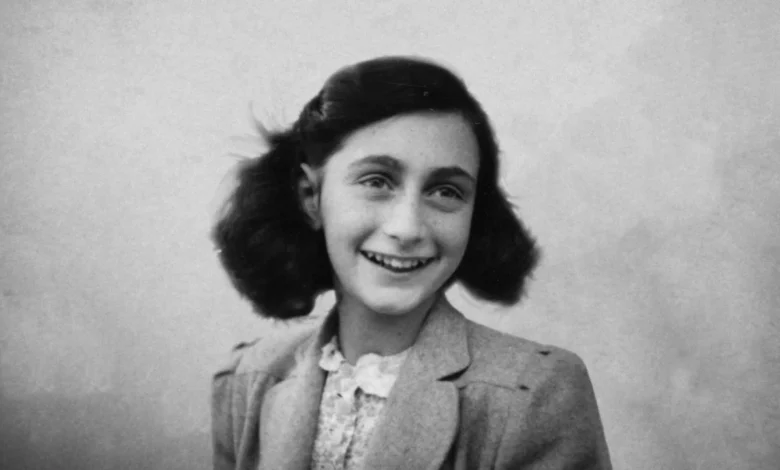
A new investigation has identified a suspect who may have betrayed Anne Frank and his family to the Nazis.
A Jewish diarist died in the Nazi concentration camp in 1945, at the age of 15, after two years of hiding. Her diary, published after her death, is the most famous first account of Jewish life during the war.
Recommended read: Europe Should Not Blame Russia For “All Problems”: Kremlin said that
A team comprising former FBI agents said Arnold van den Bergh, a Jew in Amsterdam, had almost “abandoned” the Franks to save his family.
A team of historians and some experts spent approx. 6 years using the latest investigation strategy to break them to break the “cold case”. That involved using computer algorithms to search for connections between many different people, something that could take people thousands of hours.
Read: Brazil President temporarily suspended from the social platform
Van den Bergh was a member of the Amsterdam Jewish Council. The atmosphere of the Jewish areas forced this council to implement Nazi policy. The council disbanded it in 1943, and they sent its members to concentration camps.
But the team found out that van den Bergh was not sent to the camp, and instead lived in Amsterdam as usual at the time. It was also suggested that a member of the Jewish Council had previously provided information to the Nazis.




The team said it was “deeply saddened” by the revelation that another Jew may have betrayed him. But it also found evidence suggesting that Otto Frank, Anne’s father, may have known that and kept it a secret.
Also read: Threatening mail was sent to BJP MP Gautam Gambhir from Pakistan, the sender identified
In a former detective’s files, they found a copy of an anonymous note sent to Otto Frank identifying Arnold van den Bergh as his betrayer.
Mr Pankoke told 60 Minutes that anti-Semitism was probably the most unprecedented cause in public.
“Maybe you just felt like if I repeated this… it would only make the fire worse,” he said.
Dutch newspaper Volkskrant reports that van den Bergh died in 1950.
In a statement, the Anne Frank House museum said the findings of a team of investigators “impressed” it.
Its executive director, Ronald Leopold, added that the new research “produced important new information and interesting theories that required further research”.
The museum said the investigation didn’t directly involve it but the team shared about its history and the museum.